• 658d1e4uz7
  • 658d1e46zt
  • 658d1e4e3j
  • 658d1e4dcq
  • 658d1e4t3e
  • Leave Your Message

    What Is the Best Large 3D Printer to Buy?

    Choosing the best Large 3d Printer is not simply a contest between build volume and price. A 500-millimeter cube may sound impressive, yet it can demand a rigid frame, stable power, careful calibration, and considerable floor space. The better question is practical: which machine can produce your required parts repeatedly, safely, and economically?

    The Wohlers Report 2024 estimated that the global additive manufacturing industry reached $20.035 billion in 2023, following 13.5% growth. That expansion reflects broader industrial adoption, but it also creates more confusing choices for buyers. Manufacturer specifications often highlight maximum dimensions, while experienced users examine layer consistency, chamber temperature, material compatibility, service access, and software reliability. A large nozzle may shorten production time, but it can reduce fine surface detail. A heated chamber may improve engineering polymers, but it usually raises cost and maintenance demands.

    This guide compares large-format printers through an evidence-based lens. It considers build volume, print speed, accuracy, operating materials, total ownership cost, and after-sales support. ASTM International and ISO/ASTM 52900 terminology also remind buyers to distinguish extrusion, vat photopolymerization, and powder-based systems. Each process has different strengths.

    There is no perfect machine.

    My own preference could change with the application. A workshop producing architectural prototypes needs different performance from a manufacturer producing functional nylon fixtures. Buyers should test representative models before committing, inspect real sample parts, and calculate wasted material, downtime, ventilation, and operator training. The “best” Large 3d Printer is therefore the one that remains dependable after the showroom excitement fades.

    What Is the Best Large 3D Printer to Buy?

    What Defines a Large 3D Printer?

    What Defines a Large 3D Printer?

    A large 3D printer is not defined by its exterior frame alone. The practical measure is build volume: width, depth, and height available for one uninterrupted part. A 300 × 300 × 300 millimeter chamber may feel large for prototypes, yet small for furniture-scale tooling. Industrial systems can exceed one meter in one axis. There is no universal size threshold in ISO/ASTM 52900 terminology, so buyers must define “large” around their actual parts.

    Production needs add another layer. A useful large-format machine should maintain stable temperature control, accurate motion, and consistent material delivery across the chamber. A bigger nozzle may reduce print time, but it can lower surface detail. The trade-off is real. Oversized parts also demand careful bed leveling and stronger support strategies. I have found that a large build area is wasted when the machine cannot hold tolerances near its edges.

    The Wohlers Report 2024 valued the global additive manufacturing market at approximately 20.0 billion dollars for 2023, following 13.5% growth. That expansion reflects wider production use, not simply larger machines. Buyers should compare usable build volume, repeatability, operating cost, and service access. A machine measuring two meters wide may still be inefficient if its chamber is poorly insulated. Measure the parts first. Then measure the workflow.

    Which Features Matter Most for Large-Scale Printing?

    The best large 3D printer is not simply the machine with the biggest build volume. For large-scale printing, frame rigidity matters because vibration can turn tall walls into visible ripples. A useful test is simple: print a 300-millimeter tower and inspect its corners, layers, and dimensional stability. Test realistically. Oversized capacity can become wasted floor space.

    TEMPERATURE CONTROL deserves serious attention. A heated build plate improves first-layer adhesion, while a controlled chamber reduces warping in large polymer parts. Airflow should be steady, not forceful. Large parts cool unevenly. That is where cracks often begin.

    Material compatibility also matters: confirm nozzle temperature, chamber limits, and drying requirements before buying. A wider nozzle can shorten production time, but it may hide fine surface details. Not always better.

    Reliable automation can save hours, especially automatic bed leveling, filament detection, and power-loss recovery. Remote monitoring is useful, but it should not replace physical checks. Cameras miss loose edges and unusual odors. Service access is another overlooked feature. Replacing a nozzle should not require dismantling half the machine.

    Measure doorways, electrical capacity, and ventilation before ordering. I would also reserve time for calibration; even a well-engineered printer can need adjustment. An inconvenient truth. Choose documented tolerances, accessible spare parts, and responsive technical support over impressive marketing numbers.

    How to Compare Large 3D Printer Types and Materials

    Choosing the best large 3D printer starts with the material, not the advertised build volume. The 2024 Wohlers Report valued the global additive manufacturing industry at $20.035 billion in 2023, with 13.5% annual growth. That expansion reflects broader industrial use, but it does not make every machine suitable for every project.

    Large FFF printers suit prototypes, tooling, furniture parts, and durable polymer components. Filament is accessible, but long prints can show warping, layer weakness, and inconsistent chamber temperatures. Pellet extrusion can reduce material costs and increase throughput, although it usually produces rougher surfaces. Resin systems capture fine details, yet large parts need significant post-processing and careful ventilation. Powder-bed systems offer complex geometries and stronger material options, but their equipment, powder handling, and finishing requirements raise the total cost.

    Material choice should follow the part’s real job. PLA works for visual models, while reinforced nylon or engineering polymers fit demanding functional parts. Metal powder systems support high-performance components, but they require controlled processing and qualified operators. An AM Research market review published in 2024 also identified polymers as a major force in additive manufacturing demand, supporting their practical role in larger production workflows. Still, market data can hide operating costs. I would measure failed prints, drying time, energy use, and labor for one month before buying. Bigger is not always better. A smaller heated chamber may outperform a giant, unstable one.

    What Are the Best Large 3D Printers for Different Needs?

    Large 3D printers serve different goals, so the best choice depends on the job, not the largest build volume. For architectural models, furniture prototypes, or vehicle-scale parts, prioritize a stable frame and a generous build chamber. Wohlers Report 2024 valued the global additive manufacturing industry at approximately $20.0 billion in 2023. That growth reflects wider industrial use, not just hobbyist demand.

    For functional prototypes, choose a printer with controlled temperatures, reliable material drying, and repeatable extrusion. Engineering polymers can absorb moisture, causing weak layers and rough surfaces. A heated chamber may improve dimensional stability, especially for tall parts. For visual models, resolution and surface finish matter more than extreme speed. A large nozzle can shorten production time, but it may hide fine details. Faster is not always better.

    Small manufacturers should examine uptime, spare-part access, software monitoring, and operator training. The Additive Manufacturing Users Group’s 2024 industry survey highlighted continuing concerns about workforce skills and process consistency. That warning deserves attention. A printer can produce a two-meter object, yet poor calibration can waste days of material. Electricity, ventilation, maintenance, and failed builds also affect ownership costs. My practical preference is to test a representative part before buying. One sample is not enough, though. Run several builds with different heights, materials, and infill patterns. That reveals weaknesses a showroom demonstration may conceal.

    What Is the Best Large 3D Printer to Buy?

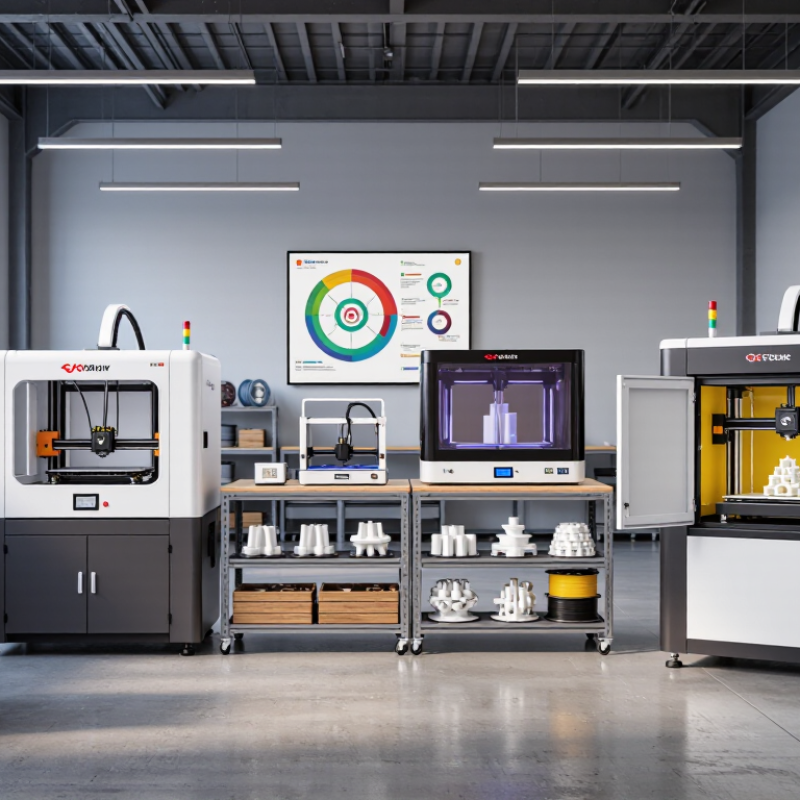
    The best choice depends on the intended use. Build volume is a practical way to compare large 3D printers for prototypes, functional parts, production tools, architectural models, and oversized components.

    Representative build volumes are rounded specifications commonly available in large-format additive manufacturing systems. Larger build volume is useful for oversized parts, while enclosed industrial systems are generally better suited to demanding engineering materials.

    How to Choose the Right Large 3D Printer for Your Budget

    Choosing the best large 3D printer starts with your budget, not the advertised build volume. A machine with a 500-millimeter build area may seem attractive, but it also needs more space, power, and maintenance. Measure your workshop carefully, including doorways and ventilation clearance. A printer that fits on paper may be difficult to install.

    Look beyond the purchase price. Add shipping, spare nozzles, build plates, software, electricity, and possible repairs. A heated chamber may improve results with demanding materials, but it can raise the cost significantly. For occasional prototypes, a reliable open-frame model may offer better value. For repeated production, a stronger frame and automatic calibration can reduce failed prints. That time saving matters.

    Check the machine’s real operating limits. Ask whether the advertised speed applies to large, detailed parts or only simple shapes. Review independent test results, warranty conditions, and the availability of replacement components. I would also print a small trial object before committing to a full-size project. It reveals vibration, layer adhesion, and bed-leveling problems early. My own choice would not always be the cheapest option. I once underestimated maintenance space, and routine nozzle changes became awkward. Leave room for mistakes. Examine the slicer workflow, because complicated software can quietly consume more time than expected.

    What Is the Best Large 3D Printer to Buy? — How to Choose the Right Large 3D Printer for Your Budget

    Comparison of large 3D printer categories based on commonly available specifications and typical market pricing
    Printer Category Typical Build Volume Printing Technology Common Materials Typical Layer Height Typical Print Speed Typical Price Range Best For Important Buying Considerations
    Budget Large-Format FDM Approximately 300 × 300 × 300 mm to 400 × 400 × 400 mm Fused Deposition Modeling PLA, PETG, TPU, ABS with suitable enclosure and ventilation 0.10–0.30 mm 60–150 mm/s, depending on material and model complexity Approximately US$400–US$1,200 Hobbyists, prototypes, cosplay parts, fixtures, and educational projects Check frame rigidity, automatic bed leveling, heated-bed performance, spare-part availability, and enclosure options.
    Mid-Range Large FDM Approximately 400 × 400 × 400 mm to 600 × 600 × 600 mm Fused Deposition Modeling PLA, PETG, ABS, ASA, TPU, nylon, and selected fiber-reinforced filaments 0.10–0.30 mm 80–200 mm/s, with lower speeds often required for engineering materials Approximately US$1,200–US$4,000 Small businesses, functional prototypes, custom tooling, and large decorative parts Look for a heated chamber or enclosed build area, high-temperature hotend, dependable motion components, and filament drying support.
    Professional Large FDM Approximately 500 × 500 × 500 mm to 1,000 × 1,000 × 1,000 mm Industrial Fused Deposition Modeling ABS, ASA, nylon, polycarbonate, PEEK, PEI, and composite materials, depending on the system 0.10–0.40 mm 40–150 mm/s, prioritizing dimensional consistency and thermal control Approximately US$4,000–US$25,000+ Manufacturing aids, engineering prototypes, short-run production, and large functional components Evaluate chamber temperature control, nozzle temperature, filtration, calibration automation, software workflow, and technical support.
    Large Resin Printer Approximately 200 × 120 × 200 mm to 500 × 300 × 500 mm MSLA, LCD masking, or laser-based stereolithography Standard, tough, flexible, castable, dental, and high-temperature photopolymer resins 0.025–0.10 mm Usually measured by layer exposure time; practical production speed varies by resin and layer height Approximately US$500–US$15,000+ Highly detailed models, patterns, miniatures, dental models, and display-quality prototypes Account for resin cost, washing and curing equipment, ventilation, resin handling, build-plate size, and post-processing labor.
    Large Pellet Extrusion Printer Approximately 600 × 600 × 600 mm to more than 1,000 × 1,000 × 1,000 mm Pellet extrusion Thermoplastics supplied as pellets, including PLA, ABS, PETG, recycled polymers, and selected composites Approximately 0.30–1.00 mm 100–500 mm/s, depending on extruder throughput and part geometry Approximately US$10,000–US$100,000+ Very large prototypes, molds, architectural pieces, and material-efficient production Confirm pellet drying requirements, extrusion throughput, surface-finish expectations, material compatibility, and workshop power requirements.
    Large-Scale Concrete or Construction Printer Often 1,000 mm or more in each axis; some systems are designed for building-scale structures Material extrusion using cementitious mixtures Concrete or other cement-based printable mixtures Approximately 5–30 mm, depending on nozzle size and application Approximately 20–100 mm/s for deposited material, depending on mix and structural requirements Typically US$50,000–US$250,000+ Architectural components, construction research, landscape structures, and large architectural forms Review site requirements, material mixing, pump capacity, curing behavior, structural compliance, operator training, and local regulations.

    Note: Specifications and prices are typical industry ranges rather than guaranteed values. Actual performance depends on printer design, material, slicer settings, environmental conditions, maintenance, and the complexity of the part.