Top Benefits of Using a 3D Color Printer in Modern Manufacturing?
As industries evolve, the importance of innovative technologies like the 3D color printer cannot be overstated. According to a recent report by Smithers Pira, the 3D printing market is projected to reach $44.4 billion by 2026. These figures highlight a growing reliance on advanced methods for production. The integration of 3D color printers in modern manufacturing brings numerous benefits, including design flexibility, rapid prototyping, and reduced material waste.
Expert in additive manufacturing, Dr. Emily Chen, stated, "The 3D color printer revolutionizes how we envision product design." This technology allows for complex geometries and details that traditional methods struggle to achieve. However, challenges remain. Companies often wrestle with high initial costs and the need for skilled operators. The learning curve associated with 3D color printers can be steep for some teams. Yet, the potential for streamlined processes makes the investment worth considering.
The reality is that while 3D color printing offers many advantages, it does not come without its pitfalls. Understanding the balance between innovation and practicality is vital. Adjusting to this technology may take time, but the future of manufacturing is undoubtedly linked to the capabilities of the 3D color printer.
Key Advantages of 3D Color Printing in Modern Manufacturing
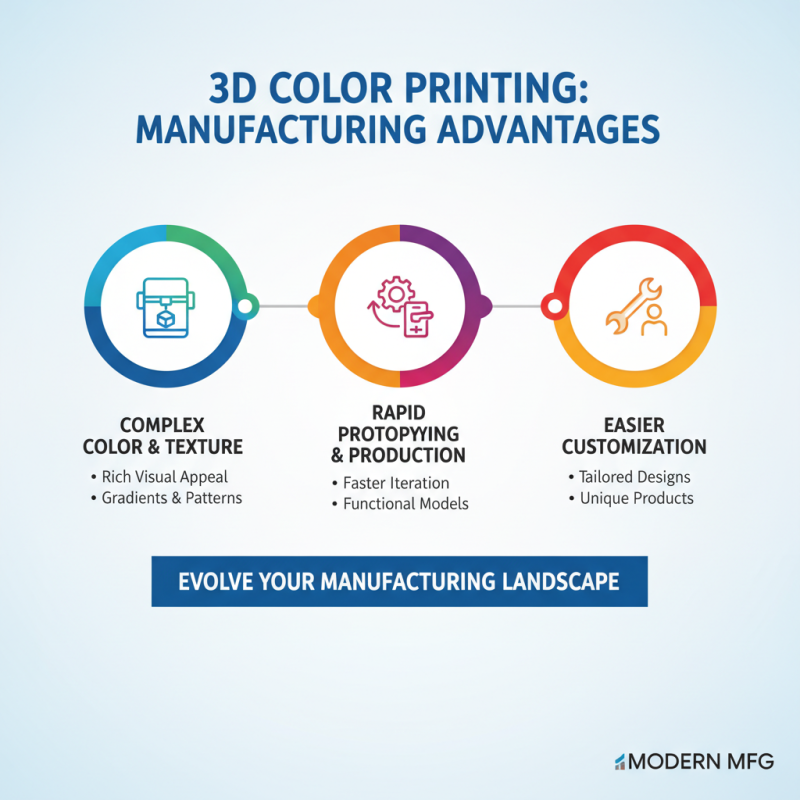
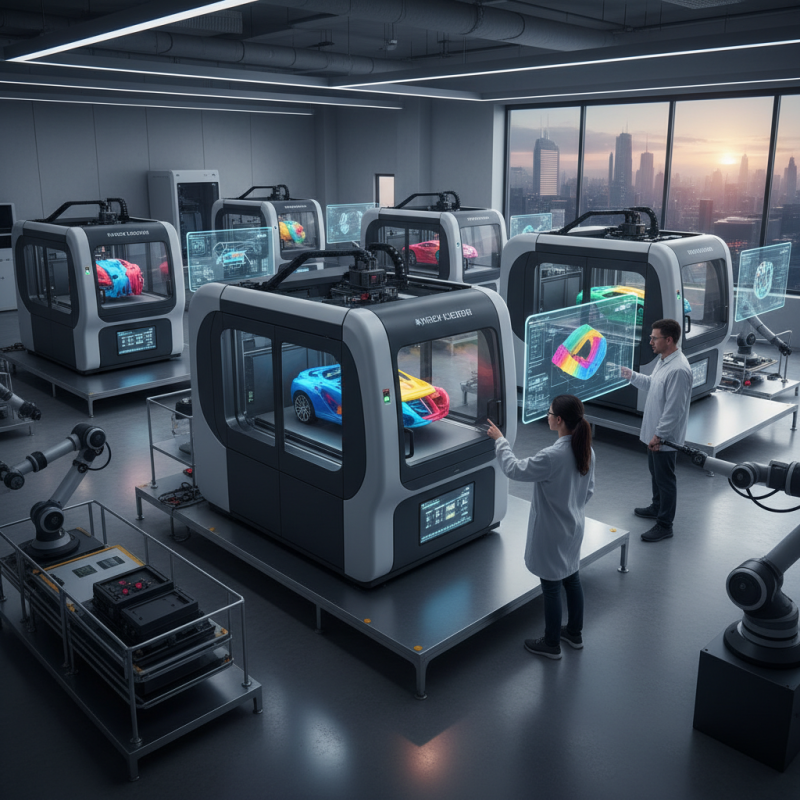
3D color printing is transforming modern manufacturing in remarkable ways. One significant advantage is the ability to produce complex geometries without the limitations of traditional manufacturing methods. According to a recent industry report, around 25% of manufacturers are expected to adopt 3D printing technologies by 2025. This shift is mainly due to cost efficiency and design flexibility.
Another benefit lies in rapid prototyping. 3D color printers can create intricate models that help in visualizing concepts effectively. Studies show that prototypes can reduce development time by up to 70%. This acceleration enables companies to respond faster to market demands. However, some may overlook the importance of materials. The choice of filament can impact print quality significantly.
Tip: Always experiment with different materials to discover what works best for your project.
Additionally, 3D printing allows for customization at scale, which is vital in industries like healthcare and automotive. Tailoring products to specific customer needs becomes straightforward. Yet, it raises questions about production consistency. Can every item maintain the same high standard?
Tip: Conduct regular quality checks to ensure each product meets your standards.
Incorporating 3D color printing in manufacturing offers myriad benefits, but it also demands careful consideration and adjustment. Balancing innovation with quality control is crucial.
Enhanced Design Flexibility and Customization Opportunities
In modern manufacturing, 3D color printing offers remarkable design flexibility. This technology allows for intricate designs that traditional methods struggle to produce. A recent report from Industry Insights showed that over 70% of companies using 3D printing noted improved customization in their products. This capability leads to better meeting customer needs.
Customization is key. 3D printers create unique items tailored to specific requirements. For instance, manufacturing industries report that bespoke parts reduce waste and cut costs, making production more efficient. An example is the automotive sector, where custom components enhance performance and aesthetics.
Tip: Start small. Experiment with basic designs first. This can help identify issues before scaling up production. Another tip is to gather feedback. Engage with users to refine designs. Remember that examples of successful prints can be inspiring, but your path may differ. Stay open to learning from mistakes. This can lead to innovative solutions.
Top Benefits of Using a 3D Color Printer in Modern Manufacturing
Improved Prototyping Speed and Accuracy for Product Development
3D color printers are revolutionizing product development. They enhance prototyping speed significantly. Designers can quickly create models that are true to concept. This expedites feedback loops and reduces delays.
Accuracy is another essential benefit. Traditional methods often lead to misalignments. With 3D printing, the precision is much higher. Colors and details are replicated with remarkable fidelity. This level of detail is crucial for testing and presentations.
However, there can be challenges. Not all materials yield the expected results. Sometimes, color consistency varies across prints. Designers need to recalibrate settings regularly. This process can be time-consuming and frustrating. Despite these hurdles, the advantages are worth exploring.
Reduction of Material Waste and Cost Efficiency in Production
The modern manufacturing landscape is evolving, and 3D color printing is at the forefront. One of its standout advantages is the reduction of material waste. According to a report from the ADDITIVE MANUFACTURING magazine, 3D printing can decrease waste by up to 70%. Traditional methods often involve cutting away excess material, leading to significant scrap. In contrast, 3D printing builds objects layer by layer, using only what is necessary.
Cost efficiency is another critical factor. A study from the National Institute of Standards and Technology indicated that companies could save approximately 25-50% on production costs using 3D printing. This is particularly true for prototypes and custom parts. However, the technology isn't perfect. Misprints can occur, leading to further waste and increased costs. Iterative prototyping requires careful planning and precision. Manufacturers should consider the entire process and invest in training for optimal results.
Moreover, while 3D printing can significantly reduce costs, selecting the right materials remains a challenge. Not all materials are suitable for every application. This requires ongoing assessments and adjustments which can lead to unexpected expenses. Balancing these factors is crucial for sustainable production in the long run.
Top Benefits of Using a 3D Color Printer in Modern Manufacturing
| Benefit |
Description |
Material Waste Reduction (%) |
Cost Efficiency (%) |
| Faster Prototyping |
Enables quick creation of prototypes, reducing project timelines. |
35% |
20% |
| Customization |
Offers the ability to create custom parts tailored to specific needs. |
30% |
25% |
| Complex Geometries |
Allows for the manufacturing of complex shapes that were previously impossible. |
40% |
15% |
| Reduced Supply Chain Complexity |
Minimizes the need for large inventories and multiple suppliers. |
25% |
30% |
| Sustainability |
Promotes the use of environmentally friendly materials and processes. |
50% |
10% |
Integration of Complex Color Patterns and Textures in Manufacturing
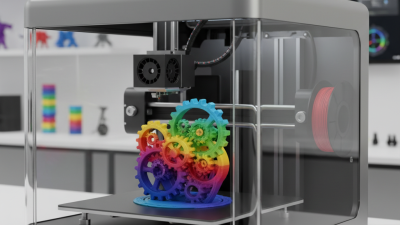
The modern manufacturing landscape is evolving rapidly. A 3D color printer provides significant advantages by incorporating complex color patterns and textures. This capability enables manufacturers to create prototypes and products with rich visual appeal. Customization becomes easier with this technology. Designers can experiment with gradients, patterns, and intricate designs that would be challenging to achieve otherwise.
Using a 3D color printer allows manufacturers to showcase their creativity. However, integrating these complex elements isn't without challenges. There can be issues with color fidelity or texture consistency during the printing process. Sometimes the final products might not meet expectations. These aspects require careful consideration and testing. Adjustments may be needed to achieve the desired effect.
On the positive side, the ability to combine various materials enhances functionality. Products can be both visually striking and practical. For instance, a component could have a durable exterior with vibrant colors that attract customers. Yet, factors like production time and cost may impact decision-making. Striking the right balance is critical for success in manufacturing.